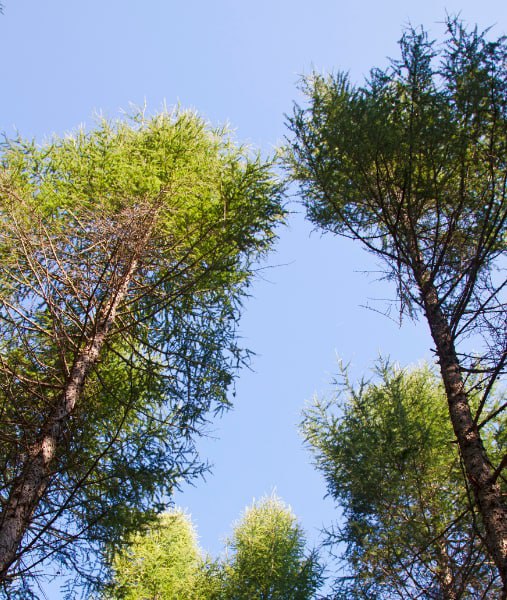
Trees can be a valuable feature of a garden, providing character, greenery and natural screening. However, as trees mature, branches can gradually extend towards the house and eventually reach the roof. What initially appears to be a harmless overhanging limb can become a maintenance concern if growth is allowed to continue unchecked.
Branches close to a roof can rub against roofing materials, deposit leaves into gutters, restrict access and potentially cause damage if weakened limbs fail during adverse weather. The solution is not necessarily to remove the tree. Professional tree surgery can often manage the problematic growth while retaining the tree’s natural shape and maintaining its health.
For homeowners in Whitstable, Kent, Whitstable Tree Surgeons can assess trees growing close to properties and determine the most appropriate way to create safe clearance around the roof.
Why Are Branches Growing Towards the Roof a Concern?
Trees naturally extend their canopies towards available light and open space. When a mature tree stands close to a property, this can eventually bring branches into contact with the building.
The concern is not simply how close the tree looks. The size, weight, condition and movement of the branches all need to be considered.
Branches Can Contact Roofing Materials
Branches positioned immediately above or alongside a roof can move considerably in windy conditions.
Repeated contact may affect:
- Roof tiles or slates
- Fascias and soffits
- Guttering
- Roof edges
- Other exposed roofing components
Even smaller branches can repeatedly scrape against surfaces as the canopy moves.
Falling Branches Can Cause Damage
Dead, damaged or structurally weak branches can fail without the entire tree being unhealthy.
A branch positioned over a garden may cause relatively limited disruption if it falls. The same branch positioned directly above a roof presents a very different concern.
This is one reason professional assessment is particularly useful when mature trees extend towards buildings.
A Tree Surgeon Will Assess the Tree Before Cutting
The correct response is rarely to remove every branch facing the property.
Professional tree surgery starts by assessing the tree itself.
A tree surgeon may consider:
- The species and natural growth habit
- Overall tree health
- Branch size and position
- Structural weaknesses
- Dead or damaged limbs
- The balance of the canopy
- Clearance from the roof
- How pruning could affect future growth
This information helps determine how much work is actually required.
Crown Reduction Can Bring the Canopy Away From the Property
Crown reduction involves selectively shortening branches throughout part or all of the canopy.
Where a tree has simply become too large for the space available, carefully reducing its overall spread may provide greater separation between the canopy and roof.
Why Crown Reduction Requires Skill
A successful crown reduction should not leave a tree looking severely cut back or unbalanced.
Branches need to be reduced to suitable growth points so that the tree retains a natural outline. Removing excessive amounts of growth can place unnecessary stress on the tree and encourage undesirable regrowth.
Professional crown reduction aims to achieve useful size management while preserving appropriate structure.
Selective Pruning May Be Enough
Not every tree close to a roof requires substantial crown work.
If only a few branches are causing concern, selective pruning may provide the necessary clearance.
This can involve removing or shortening particular limbs that are:
- Extending directly towards the building
- Touching the roof
- Hanging over vulnerable areas
- Structurally weak
- Dead or damaged
- Creating an unbalanced canopy
Targeted work can often resolve the immediate problem without unnecessarily altering the rest of the tree.
Crown Lifting Can Improve Lower-Level Clearance
Where lower branches are extending towards parts of the property, crown lifting may sometimes be appropriate.
Crown lifting involves removing selected lower branches to increase clearance beneath the canopy.
Depending on the position and structure of the tree, this can help create additional space around:
- Roof edges
- Gutters
- Access areas
- Paths
- Driveways
- Garden structures
The suitability of crown lifting depends on the individual tree, which is why assessment should come before pruning.
Dead or Weak Branches Can Be Removed
Branches growing towards the roof deserve particular attention when they are also dead, damaged or structurally compromised.
Warning Signs Can Include:
- Deadwood within the canopy
- Split branches
- Cracked unions
- Hanging limbs
- Broken sections caught in neighbouring branches
- Unusual movement
- Visible deterioration
Removing compromised branches can reduce the likelihood of them falling onto the property.
Importantly, a healthy-looking canopy does not always mean every individual branch is structurally sound.
Tree Surgery Can Help Protect Gutters
Physical contact is not the only problem associated with trees growing close to roofs.
Overhanging branches can deposit considerable quantities of leaves, twigs and organic material onto the roof and into guttering.
Accumulated debris can interfere with the normal movement of rainwater and increase the amount of maintenance required around the roofline.
Creating sensible separation between the canopy and building can help reduce the amount of material falling directly onto these areas.
What If the Branches Are Already Touching the Roof?
Branches already making contact with the property should be assessed rather than simply cut back without considering their structure.
Large branches can be extremely heavy. Removing sections in the wrong sequence can alter their balance unexpectedly.
Professional tree surgeons can plan the work so that branches are dismantled in controlled sections where necessary.
Controlled Sectional Work May Be Required
When there is limited space between the tree and property, cut sections cannot always be allowed to fall freely.
Specialist climbing and rigging techniques can be used to control branches during removal, particularly where the roof or surrounding features need to be protected.
This controlled approach is one of the key reasons tree work close to buildings should be handled professionally.
Why Cutting Branches Back Too Hard Can Create New Problems
It can be tempting to solve the problem by cutting branches as far back as possible. However, excessive pruning is not necessarily better pruning.
Poorly positioned or unnecessarily large cuts can:
- Disrupt the natural shape of the tree
- Remove too much foliage
- Encourage vigorous regrowth
- Create weak future growth
- Place unnecessary stress on the tree
The objective should be to create appropriate clearance while retaining a structurally balanced canopy.
Future Growth Should Be Considered
Creating clearance today is only part of effective tree management.
Trees continue growing, which means a branch shortened just enough to clear the roof may eventually return to the same position.
An experienced tree surgeon considers how the tree is likely to respond after pruning and how its future growth can be managed.
A Longer-Term Approach May Include:
- Selective branch reduction
- Periodic crown management
- Removal of problematic growth
- Monitoring structurally important branches
- Maintaining sensible separation from the building
This is more effective than waiting until branches repeatedly make contact with the roof.
Does the Whole Tree Need to Be Removed?
Usually, branches growing towards a roof do not automatically mean the tree needs to be felled.
Where the tree remains healthy and structurally suitable, professional pruning may provide sufficient clearance.
Tree removal may become a consideration where the wider condition of the tree presents significant problems that cannot be appropriately managed through pruning. The decision should therefore be based on the condition and structure of the entire tree rather than simply its proximity to the roof.
Why DIY Branch Removal Near a Roof Is Risky
Tree work close to buildings presents several challenges.
A branch that appears manageable from ground level may be considerably larger and heavier than expected. Once partially cut, its movement can also become difficult to predict.
Working at height adds another significant risk.
Professional tree surgeons have the equipment, training and experience needed to manage:
- Working within tree canopies
- Heavy branch sections
- Restricted working spaces
- Controlled lowering
- Cutting sequences
- Surrounding property features
For trees immediately beside a home, controlled professional work is particularly important.
When Should You Arrange a Tree Assessment?
You do not need to wait until branches are physically resting on the roof.
Consider arranging professional attention when:
- Branches are approaching the roofline
- Limbs move against the building during windy weather
- Deadwood is present above the property
- Large branches extend directly over the roof
- Gutters regularly fill with tree debris
- Branches appear cracked or damaged
- The canopy has become heavily weighted towards the house
- Previous pruning has resulted in dense regrowth
Earlier assessment can provide more options for managing the tree carefully.
Professional Tree Surgery in Whitstable
Managing trees close to buildings requires a balance between protecting the property and preserving the tree wherever practical.
At Whitstable Tree Surgeons, we assess trees throughout Whitstable, Kent to determine the most suitable pruning approach. Depending on the individual tree, this may involve selective pruning, crown reduction, crown lifting or the controlled removal of problematic branches.
Our focus is on carrying out the work carefully so that appropriate clearance can be achieved without unnecessarily removing healthy parts of the tree.
Conclusion
Branches growing towards your roof should not automatically mean removing the entire tree. In many situations, a professional tree surgeon can manage the problem through selective pruning, crown reduction, crown lifting or the removal of dead and structurally weak limbs.
The key is to act before overhanging growth begins causing repeated contact, excessive debris or a greater risk from failing branches.
If trees around your property in Whitstable, Kent are beginning to extend towards the roof, Whitstable Tree Surgeons can assess their condition and recommend an appropriate approach to create safer clearance while maintaining the health and natural structure of the tree.
What Can a Tree Surgeon Do About Branches Growing Towards Your Roof?
Trees can be a valuable feature of a garden, providing character, greenery and natural screening. However, as trees mature, branches can gradually extend towards the house and eventually reach the roof. What initially appears to be a harmless overhanging limb can become a maintenance concern if growth is allowed to continue unchecked.
Branches close to a roof can rub against roofing materials, deposit leaves into gutters, restrict access and potentially cause damage if weakened limbs fail during adverse weather. The solution is not necessarily to remove the tree. Professional tree surgery can often manage the problematic growth while retaining the tree’s natural shape and maintaining its health.
For homeowners in Whitstable, Kent, Whitstable Tree Surgeons can assess trees growing close to properties and determine the most appropriate way to create safe clearance around the roof.
Why Are Branches Growing Towards the Roof a Concern?
Trees naturally extend their canopies towards available light and open space. When a mature tree stands close to a property, this can eventually bring branches into contact with the building.
The concern is not simply how close the tree looks. The size, weight, condition and movement of the branches all need to be considered.
Branches Can Contact Roofing Materials
Branches positioned immediately above or alongside a roof can move considerably in windy conditions.
Repeated contact may affect:
- Roof tiles or slates
- Fascias and soffits
- Guttering
- Roof edges
- Other exposed roofing components
Even smaller branches can repeatedly scrape against surfaces as the canopy moves.
Falling Branches Can Cause Damage
Dead, damaged or structurally weak branches can fail without the entire tree being unhealthy.
A branch positioned over a garden may cause relatively limited disruption if it falls. The same branch positioned directly above a roof presents a very different concern.
This is one reason professional assessment is particularly useful when mature trees extend towards buildings.
A Tree Surgeon Will Assess the Tree Before Cutting
The correct response is rarely to remove every branch facing the property.
Professional tree surgery starts by assessing the tree itself.
A tree surgeon may consider:
- The species and natural growth habit
- Overall tree health
- Branch size and position
- Structural weaknesses
- Dead or damaged limbs
- The balance of the canopy
- Clearance from the roof
- How pruning could affect future growth
This information helps determine how much work is actually required.
Crown Reduction Can Bring the Canopy Away From the Property
Crown reduction involves selectively shortening branches throughout part or all of the canopy.
Where a tree has simply become too large for the space available, carefully reducing its overall spread may provide greater separation between the canopy and roof.
Why Crown Reduction Requires Skill
A successful crown reduction should not leave a tree looking severely cut back or unbalanced.
Branches need to be reduced to suitable growth points so that the tree retains a natural outline. Removing excessive amounts of growth can place unnecessary stress on the tree and encourage undesirable regrowth.
Professional crown reduction aims to achieve useful size management while preserving appropriate structure.
Selective Pruning May Be Enough
Not every tree close to a roof requires substantial crown work.
If only a few branches are causing concern, selective pruning may provide the necessary clearance.
This can involve removing or shortening particular limbs that are:
- Extending directly towards the building
- Touching the roof
- Hanging over vulnerable areas
- Structurally weak
- Dead or damaged
- Creating an unbalanced canopy
Targeted work can often resolve the immediate problem without unnecessarily altering the rest of the tree.
Crown Lifting Can Improve Lower-Level Clearance
Where lower branches are extending towards parts of the property, crown lifting may sometimes be appropriate.
Crown lifting involves removing selected lower branches to increase clearance beneath the canopy.
Depending on the position and structure of the tree, this can help create additional space around:
- Roof edges
- Gutters
- Access areas
- Paths
- Driveways
- Garden structures
The suitability of crown lifting depends on the individual tree, which is why assessment should come before pruning.
Dead or Weak Branches Can Be Removed
Branches growing towards the roof deserve particular attention when they are also dead, damaged or structurally compromised.
Warning Signs Can Include:
- Deadwood within the canopy
- Split branches
- Cracked unions
- Hanging limbs
- Broken sections caught in neighbouring branches
- Unusual movement
- Visible deterioration
Removing compromised branches can reduce the likelihood of them falling onto the property.
Importantly, a healthy-looking canopy does not always mean every individual branch is structurally sound.
Tree Surgery Can Help Protect Gutters
Physical contact is not the only problem associated with trees growing close to roofs.
Overhanging branches can deposit considerable quantities of leaves, twigs and organic material onto the roof and into guttering.
Accumulated debris can interfere with the normal movement of rainwater and increase the amount of maintenance required around the roofline.
Creating sensible separation between the canopy and building can help reduce the amount of material falling directly onto these areas.
What If the Branches Are Already Touching the Roof?
Branches already making contact with the property should be assessed rather than simply cut back without considering their structure.
Large branches can be extremely heavy. Removing sections in the wrong sequence can alter their balance unexpectedly.
Professional tree surgeons can plan the work so that branches are dismantled in controlled sections where necessary.
Controlled Sectional Work May Be Required
When there is limited space between the tree and property, cut sections cannot always be allowed to fall freely.
Specialist climbing and rigging techniques can be used to control branches during removal, particularly where the roof or surrounding features need to be protected.
This controlled approach is one of the key reasons tree work close to buildings should be handled professionally.
Why Cutting Branches Back Too Hard Can Create New Problems
It can be tempting to solve the problem by cutting branches as far back as possible. However, excessive pruning is not necessarily better pruning.
Poorly positioned or unnecessarily large cuts can:
- Disrupt the natural shape of the tree
- Remove too much foliage
- Encourage vigorous regrowth
- Create weak future growth
- Place unnecessary stress on the tree
The objective should be to create appropriate clearance while retaining a structurally balanced canopy.
Future Growth Should Be Considered
Creating clearance today is only part of effective tree management.
Trees continue growing, which means a branch shortened just enough to clear the roof may eventually return to the same position.
An experienced tree surgeon considers how the tree is likely to respond after pruning and how its future growth can be managed.
A Longer-Term Approach May Include:
- Selective branch reduction
- Periodic crown management
- Removal of problematic growth
- Monitoring structurally important branches
- Maintaining sensible separation from the building
This is more effective than waiting until branches repeatedly make contact with the roof.
Does the Whole Tree Need to Be Removed?
Usually, branches growing towards a roof do not automatically mean the tree needs to be felled.
Where the tree remains healthy and structurally suitable, professional pruning may provide sufficient clearance.
Tree removal may become a consideration where the wider condition of the tree presents significant problems that cannot be appropriately managed through pruning. The decision should therefore be based on the condition and structure of the entire tree rather than simply its proximity to the roof.
Why DIY Branch Removal Near a Roof Is Risky
Tree work close to buildings presents several challenges.
A branch that appears manageable from ground level may be considerably larger and heavier than expected. Once partially cut, its movement can also become difficult to predict.
Working at height adds another significant risk.
Professional tree surgeons have the equipment, training and experience needed to manage:
- Working within tree canopies
- Heavy branch sections
- Restricted working spaces
- Controlled lowering
- Cutting sequences
- Surrounding property features
For trees immediately beside a home, controlled professional work is particularly important.
When Should You Arrange a Tree Assessment?
You do not need to wait until branches are physically resting on the roof.
Consider arranging professional attention when:
- Branches are approaching the roofline
- Limbs move against the building during windy weather
- Deadwood is present above the property
- Large branches extend directly over the roof
- Gutters regularly fill with tree debris
- Branches appear cracked or damaged
- The canopy has become heavily weighted towards the house
- Previous pruning has resulted in dense regrowth
Earlier assessment can provide more options for managing the tree carefully.
Professional Tree Surgery in Whitstable
Managing trees close to buildings requires a balance between protecting the property and preserving the tree wherever practical.
At Whitstable Tree Surgeons, we assess trees throughout Whitstable, Kent to determine the most suitable pruning approach. Depending on the individual tree, this may involve selective pruning, crown reduction, crown lifting or the controlled removal of problematic branches.
Our focus is on carrying out the work carefully so that appropriate clearance can be achieved without unnecessarily removing healthy parts of the tree.
Conclusion
Branches growing towards your roof should not automatically mean removing the entire tree. In many situations, a professional tree surgeon can manage the problem through selective pruning, crown reduction, crown lifting or the removal of dead and structurally weak limbs.
The key is to act before overhanging growth begins causing repeated contact, excessive debris or a greater risk from failing branches.
If trees around your property in Whitstable, Kent are beginning to extend towards the roof, Whitstable Tree Surgeons can assess their condition and recommend an appropriate approach to create safer clearance while maintaining the health and natural structure of the tree.
Call us on: 01227 204594
Click here to find out more about Whitstable Tree Surgeons
Click here to complete our contact form and see how we can help with your tree needs.